
How to support your immune system: 8 tips that may help
- Weakened immunity: What can cause it and what are the signs?
- Supporting your immune system: 8 tips for everyday life
- Vitamins and immunity: Which ones matter, and when?
- What is immunity and how does it work?
- How can you support your immune system in the long term?
- FAQ
The immune system protects us from viruses, bacteria and other infectious agents every day. But what can you do to help it function properly? We explain how to support your immune system through everyday habits, which vitamins are important for normal immune function and how to recognise possible signs of weakened immunity.
Weakened immunity: What can cause it and what are the signs?
The terms weakened, low or reduced immunity are commonly used to describe reduced resistance to infection. However, tiredness or an occasional cold does not necessarily mean your immune system is not working properly.
What are the signs of a weakened immune system?
Possible signs of weakened immunity include:
- recurrent or unusually frequent infections;
- infections that last longer than usual;
- repeated sinus, bronchial or lung infections;
- infections that are unusually severe;
- infections that respond poorly to standard treatment.
If you repeatedly develop infections, they are severe or they are difficult to treat, consult a doctor who can help identify the cause.

What can cause reduced immunity?
Many factors affect how the immune system functions. Some can be influenced by lifestyle changes, while others are linked to health conditions or genetics.
Possible causes of weakened immunity include:
- long-term lack of sleep;
- insufficient intake of essential vitamins and minerals;
- smoking and excessive alcohol consumption;
- certain chronic conditions, such as diabetes;
- medicines that suppress the immune system;
- inherited or acquired immune disorders.
Supporting your immune system: 8 tips for everyday life
The best way to support your immune system is to look after your health consistently. No vitamin or food supplement can give your immunity such an instant boost that you can neglect everything else.
What matters most is a combination of healthy habits:
1. Eat a varied, balanced diet
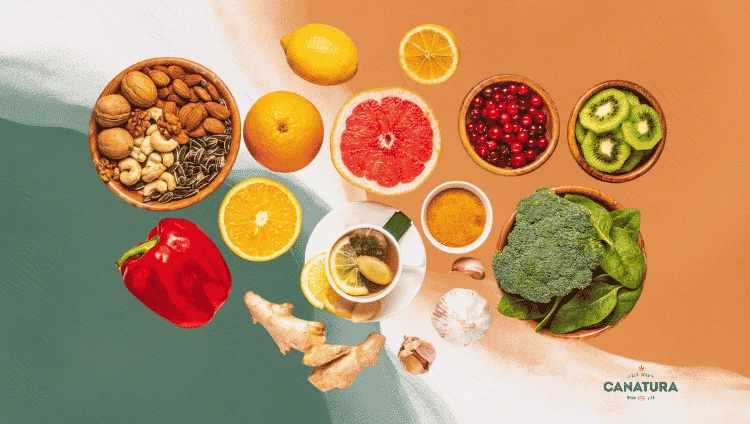
Getting enough nutrients is essential for normal immune function. Focus on plenty of vegetables, fruit, wholegrains, protein and healthy fats.
Vitamins and minerals are important too, especially vitamins A, B6, B12, C and D, zinc, selenium and iron.
2. Stay physically active
Regular physical activity benefits overall health and contributes to normal immune function. You do not need an intense workout every day – even a brisk walk is beneficial.
According to the World Health Organization (WHO), adults aged 18–64 should aim for:
- 150–300 minutes of moderate-intensity physical activity per week;
- or 75–150 minutes of vigorous-intensity activity per week;
- plus muscle-strengthening activities at least twice a week.
As a general recommendation, adults should aim for at least 150 minutes of moderate-intensity activity each week.
3. Get enough good-quality sleep
Sleep plays an important role in recovery and immune function. Most adults need at least seven hours of sleep a night.
Getting enough good-quality sleep may help you:
- reduce susceptibility to certain infections;
- manage stress more effectively;
- maintain a healthy body weight;
- support heart and metabolic health.
Consistently getting enough sleep is also associated with a lower risk of certain chronic conditions, including type 2 diabetes and high blood pressure.
To sleep better, try keeping a regular schedule, limiting caffeine in the evening and making your bedroom quiet, comfortably cool and dimly lit.
You could also include herbal teas, CBD drops, a melatonin supplement or sleep patches in your bedtime routine.

The US Centers for Disease Control and Prevention (CDC) provides the following recommended daily sleep durations:
| Age | Recommended amount of sleep per day |
|---|---|
| Newborns (0–3 months) | 14–17 hours |
| Infants (4–12 months) | 12–16 hours |
| Toddlers (1–2 years) | 11–14 hours |
| Preschool children (3–5 years) | 10–13 hours |
| School-age children (6–12 years) | 9–12 hours |
| Teenagers (13–17 years) | 8–10 hours |
| Adults (18–60 years) | At least 7 hours |
| Adults (61–64 years) | 7–9 hours |
| Older adults (65+ years) | 7–8 hours |
4. Learn to manage stress
Long-term stress can negatively affect not only mental wellbeing but also sleep, digestion and immune function, and may contribute to the worsening of certain chronic conditions.
According to the US National Institutes of Health (NIH), relaxation techniques such as slow, deep breathing may help reduce levels of the stress hormone cortisol and lower blood pressure.
Try to set aside a little time for yourself every day. A walk in nature, breathing exercises, meditation or another relaxing activity may help you unwind.
5. Get enough vitamins and minerals
Vitamins and minerals play an important role in normal immune function. Vitamins A, C, D, B6 and B12, zinc and selenium all contribute to the normal functioning of the immune system.
It is best to get these nutrients from a varied, balanced diet. If your diet does not provide enough, food supplements may be appropriate.
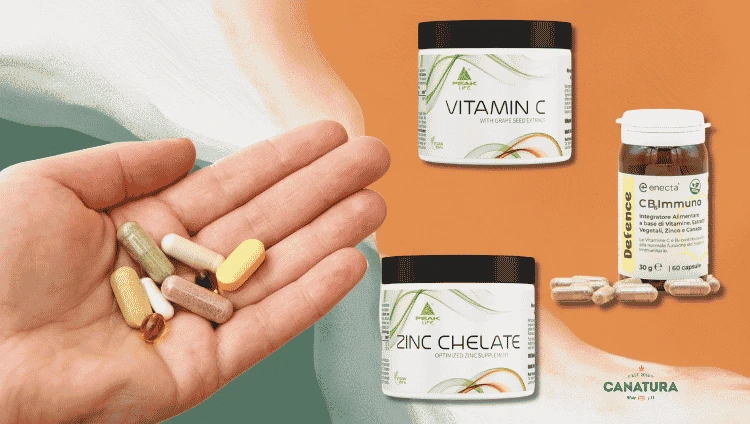
Remember that higher doses of vitamins and minerals do not automatically mean stronger immunity. Excessive intake of certain nutrients can even be harmful.
6. Cut down on alcohol and smoking
Smoking and excessive alcohol consumption can weaken the body’s natural defences and increase susceptibility to certain infections.
According to the CDC, cigarette smoke damages the lungs and interferes with immune defences against respiratory infections. Excessive alcohol consumption can also weaken the immune system and increase the risk of illness.
Quitting smoking and reducing alcohol consumption are therefore important steps towards better overall health.
7. Make time for rest and recovery
Give your body enough time to recover from physical and mental strain. During demanding periods, try to find a balance between work, exercise and rest.
According to the NIH, regular rest, sufficient sleep and relaxation activities, including mindful breathing, can help manage stress and support mental wellbeing.
Rest need not be complicated. A short walk, reading, listening to music or spending time away from your phone and work can all help.
8. Remember prevention
Protecting yourself against infections also involves regular handwashing, good hygiene and appropriate vaccinations.
According to the CDC, washing your hands helps reduce the spread of respiratory infections. Wash with soap and water for at least 20 seconds.
It is also important to ventilate indoor spaces regularly and, where appropriate, limit close contact with people who are ill.
Vitamins and immunity: Which ones matter, and when?
Getting enough vitamins and minerals is important for normal immune function. Some of the best known are vitamin C, vitamin D, zinc and selenium.
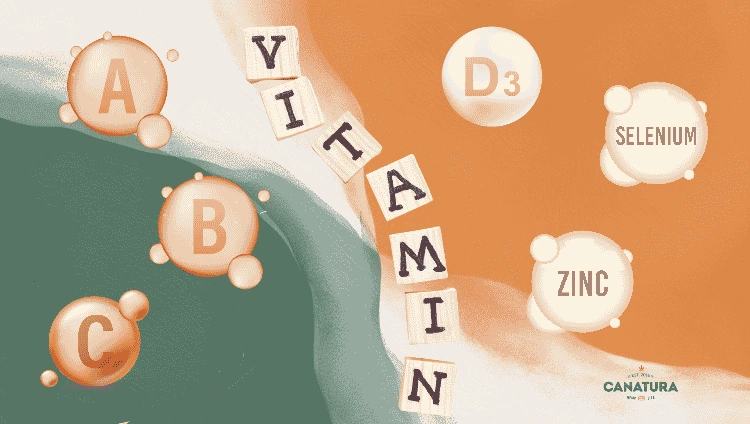
The following nutrients contribute to normal immune function:
- Vitamin C – found in citrus fruits, kiwi, peppers, broccoli and strawberries, for example. It also helps protect cells against oxidative stress.
- Vitamin D3 – produced naturally in the skin when exposed to sunlight. Dietary sources include fish oil, egg yolks and some mushrooms. Pay particular attention to your intake during periods with little sunlight.
- Vitamin A – found in liver, eggs and fish. The body can also make vitamin A from beta-carotene, which is present in carrots, pumpkin and sweet potatoes. Vitamin A helps maintain normal mucous membranes, one of the body’s natural protective barriers.
- Vitamins B6 and B12 – vitamin B6 is found in poultry, fish, potatoes and bananas. Vitamin B12 occurs naturally mainly in animal-derived foods such as meat, fish, eggs and dairy products. Both vitamins also help reduce tiredness and fatigue.
- Zinc – found in meat, eggs, milk and wholegrain foods. It also contributes to the protection of cells against oxidative stress.
- Selenium – found in fish, seafood, eggs, brassica vegetables and certain nuts, particularly Brazil nuts.
- Iron – found in meat, poultry, fish, vegetables and nuts. It is important for the formation of red blood cells and haemoglobin, which carries oxygen around the body.
When might immune-supporting supplements be useful?
Food supplements may be useful if your diet does not provide enough of certain nutrients or you are at increased risk of deficiency.
Higher doses of vitamins and minerals do not automatically mean stronger immunity. Excessive intake can sometimes be harmful, so follow the recommended dosage.
What is immunity and how does it work?
Immunity is the body’s ability to resist pathogens such as viruses, bacteria, fungi and parasites. The immune system consists of cells, tissues and organs that work together to protect the body against infections and other foreign substances.
There are two main types of immunity: innate (non-specific) immunity and acquired (specific) immunity.
Innate immunity
Innate, or non-specific, immunity is the body’s first line of defence. It is present from birth and provides an immediate immune response to pathogens.
Unlike acquired immunity, it does not generally develop pathogen-specific immune memory that provides targeted, long-term protection upon a subsequent encounter.
Acquired immunity
Acquired, or specific, immunity develops gradually throughout life. It can respond to particular pathogens and develop immune memory. When the immune system encounters pathogens and recognises foreign substances (antigens), it learns how to respond to them and develops a memory of those antigens.
As a result, the body may respond more quickly and effectively when it encounters the same pathogen again.
How can you support your immune system in the long term?
Supporting immunity is not about one vitamin or a miracle product. The foundation is a healthy lifestyle: a varied diet, good-quality sleep, regular physical activity, sufficient rest and stress management.
Adequate intake of vitamins and minerals, especially vitamins C and D, zinc and selenium, also matters. If you are not getting enough, a food supplement may help fill the gap.
Remember that normal immune function requires consistent, long-term care. If you experience recurrent or serious infections, seek medical advice.
FAQ
1. What is the best way to support your immune system?
The best approach is a combination of a varied diet, good-quality sleep, regular exercise and sufficient rest.
Make sure you also get enough vitamins and minerals, particularly vitamins C and D, zinc and selenium, which contribute to normal immune function.
2. How can you support children’s immune systems?
Support children’s immunity with a balanced diet, sufficient sleep, regular physical activity and time outdoors in all kinds of weather.
Age-appropriate vaccinations and adequate vitamin and mineral intake are also important. If you are considering food supplements, discuss the choice and dosage with a paediatrician.
3. How can you boost your immune system quickly?
There is no reliable way to boost immunity overnight. Vitamin injections, infusions or high doses of supplements do not guarantee a rapid improvement in immune defences, especially if you have no specific nutrient deficiency.
Focus on getting enough sleep, eating a varied diet, staying active and reducing stress.
If you are deficient in certain vitamins or minerals, targeted supplementation may be appropriate. Follow the recommended dosage and consult a doctor when needed.
4. How can you support your immune system in autumn?
In autumn, prioritise sleep, a varied diet, regular physical activity and hand hygiene.
With less sunlight available, pay particular attention to getting enough vitamin D, which contributes to normal immune function.
Regular ventilation and recommended vaccinations, such as the flu vaccine, are also important for preventing seasonal infections.
5. How can you support your immune system after taking antibiotics?
After completing a course of antibiotics, give your body plenty of rest, fluids and a varied, balanced diet. Antibiotics can temporarily affect the gut microbiome, so probiotics may be helpful for some people.
To support the gut microbiome, include fibre-rich foods and, if tolerated, fermented foods such as yoghurt or kefir.
Sources:
- WHO – Physical activity
- Imunita – NZIP.cz
- Imunitní systém – NZIP.cz
- CDC – About Sleep
- CDC – Managing Stress
- NCCIH – Stress
- CDC – Support Your Immune Health
- CDC – Alcohol Use and Your Health
- NIH – Emotional Wellness Toolkit
Author: Lucie Schmidtová
Photo: AI, Canva
“All information provided on this website, as well as information provided through this website, is for educational purposes only. None of the information contained herein is intended to be a substitute for a medical diagnosis and should not be considered medical advice or recommended treatment. This website does not endorse, condones or advocate the licit or illicit use of narcotic drugs or psychotropic substances or the commission of any other illegal activity. For more information, please see our Disclaimer .”
